
What is PPC?
Pay-Per-Click (PPC) is a digital marketing strategy where advertisers pay a fee each time someone clicks on their online advertisement. Instead of waiting for organic traffic, PPC helps businesses instantly appear in front of potential customers on search engines, websites, social media platforms, and shopping marketplaces.
Popular PPC platforms include Google Ads, Microsoft Advertising (Bing Ads), Facebook Ads, Instagram Ads, LinkedIn Ads, and YouTube Ads.
Why is PPC Important?
PPC is one of the fastest ways to generate targeted traffic, leads, and sales. Whether you’re a startup or an established business, PPC provides immediate visibility and measurable results.
Key Benefits of PPC
- 🚀 Instant website traffic
- 🎯 Highly targeted audience
- 💰 Flexible advertising budget
- 📈 Higher conversion rates
- 📊 Real-time performance tracking
- 🔍 Better brand visibility
- 📱 Reach customers across multiple devices
- 🌍 Target local, national, or global audiences
- ⚡ Faster results than SEO
- 📢 Increase brand awareness
How Does PPC Work?
PPC follows a simple process:
- Choose your advertising platform.
- Research relevant keywords.
- Create engaging advertisements.
- Set your daily or monthly budget.
- Bid for keyword placements.
- Launch your campaign.
- Monitor clicks, conversions, and ROI.
- Optimize campaigns for better performance.
Whenever a user searches for your targeted keywords, your ad may appear at the top of the search results. You only pay when someone clicks your advertisement.
Types of PPC Advertising
1. Search Ads
Search ads appear at the top of search engine results when users search for specific keywords.
Example:
- Best Digital Marketing Agency
- Website Design Services
- SEO Company Near Me
2. Display Ads
Display advertisements appear on websites, blogs, and mobile apps using attractive banners and images.
Benefits:
- Brand awareness
- Wide audience reach
- Remarketing opportunities
3. Shopping Ads
Shopping ads showcase products with images, prices, ratings, and store information.
Best for:
- E-commerce stores
- Retail businesses
- Fashion brands
- Electronics
4. Video Ads
Video advertisements appear before, during, or after online videos.
Advantages:
- Better engagement
- Higher brand recall
- Increased conversions
5. Social Media Ads
Social media PPC campaigns promote businesses on platforms like Facebook, Instagram, LinkedIn, and X.
Ideal for:
- Brand awareness
- Lead generation
- Product launches
- Event promotion
Components of a Successful PPC Campaign
A high-performing PPC campaign includes:
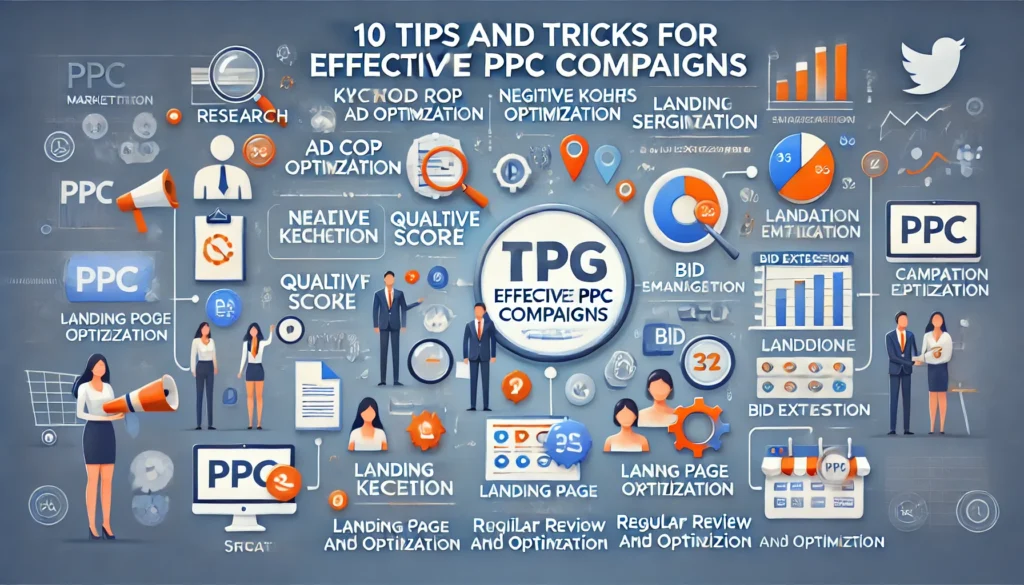
- Keyword Research
- Competitor Analysis
- Audience Targeting
- Ad Copy Creation
- Landing Page Optimization
- Bid Management
- Conversion Tracking
- A/B Testing
- Performance Monitoring
- Campaign Optimization
Advantages of PPC Marketing
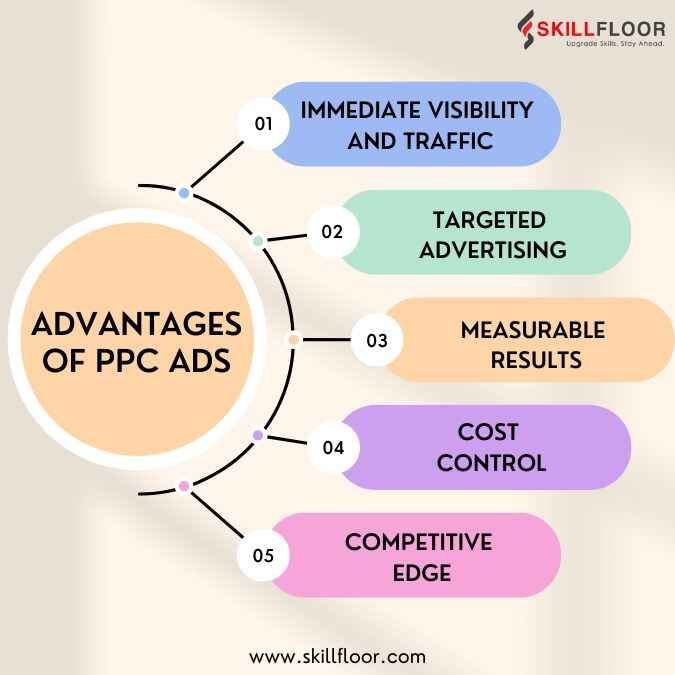
Immediate Results
Unlike SEO, PPC delivers traffic as soon as your campaign goes live.
Highly Targeted
Reach customers based on:
- Location
- Age
- Gender
- Interests
- Device
- Language
- Search intent
Budget Control
Advertisers can set daily spending limits and pause campaigns anytime.
Measurable Performance
Track important metrics such as:
- Clicks
- Impressions
- Cost Per Click (CPC)
- Click-Through Rate (CTR)
- Conversion Rate
- Return on Ad Spend (ROAS)
Better ROI
Well-optimized campaigns help maximize leads while reducing advertising costs.
PPC Best Practices
- Choose high-intent keywords.
- Write compelling ad headlines.
- Use clear calls to action (CTAs).
- Create dedicated landing pages.
- Add ad extensions for more visibility.
- Test multiple ad variations.
- Monitor campaign performance regularly.
- Optimize bids based on results.
- Exclude irrelevant traffic with negative keywords.
- Improve Quality Score to reduce CPC.
Common PPC Mistakes to Avoid
- Targeting overly broad keywords
- Ignoring negative keywords
- Sending traffic to the homepage instead of a relevant landing page
- Not tracking conversions
- Poor ad copy
- Low-quality landing pages
- Failing to optimize campaigns regularly
- Not testing different ad variations
- Overspending without analyzing performance
Industries That Benefit from PPC
PPC is effective for almost every industry, including:
- Digital Marketing Agencies
- Website Design Companies
- E-commerce Stores
- Healthcare Clinics
- Educational Institutions
- Restaurants
- Real Estate Agencies
- Travel Companies
- Law Firms
- Fitness Centers
- Finance Services
- Local Businesses
Why Choose PPC for Your Business?
PPC enables businesses to reach the right audience at the right time with the right message. With advanced targeting, detailed analytics, and flexible budgeting, it is one of the most effective digital marketing strategies for generating qualified leads, increasing website traffic, and boosting sales. When combined with SEO and content marketing, PPC creates a powerful online marketing strategy that delivers both immediate and long-term business growth.
PPC stands for Pay-Per-Click, an online advertising model where advertisers pay only when someone clicks their ad.
PPC provides immediate visibility and results, while SEO focuses on long-term organic growth. Using both together often delivers the best outcomes.
PPC costs vary depending on your industry, competition, target keywords, and campaign settings. You can start with a budget that fits your business goals.
Popular PPC platforms include Google Ads, Microsoft Advertising, Facebook Ads, Instagram Ads, LinkedIn Ads, and YouTube Ads.
PPC campaigns can start generating traffic and leads as soon as they are approved and launched.